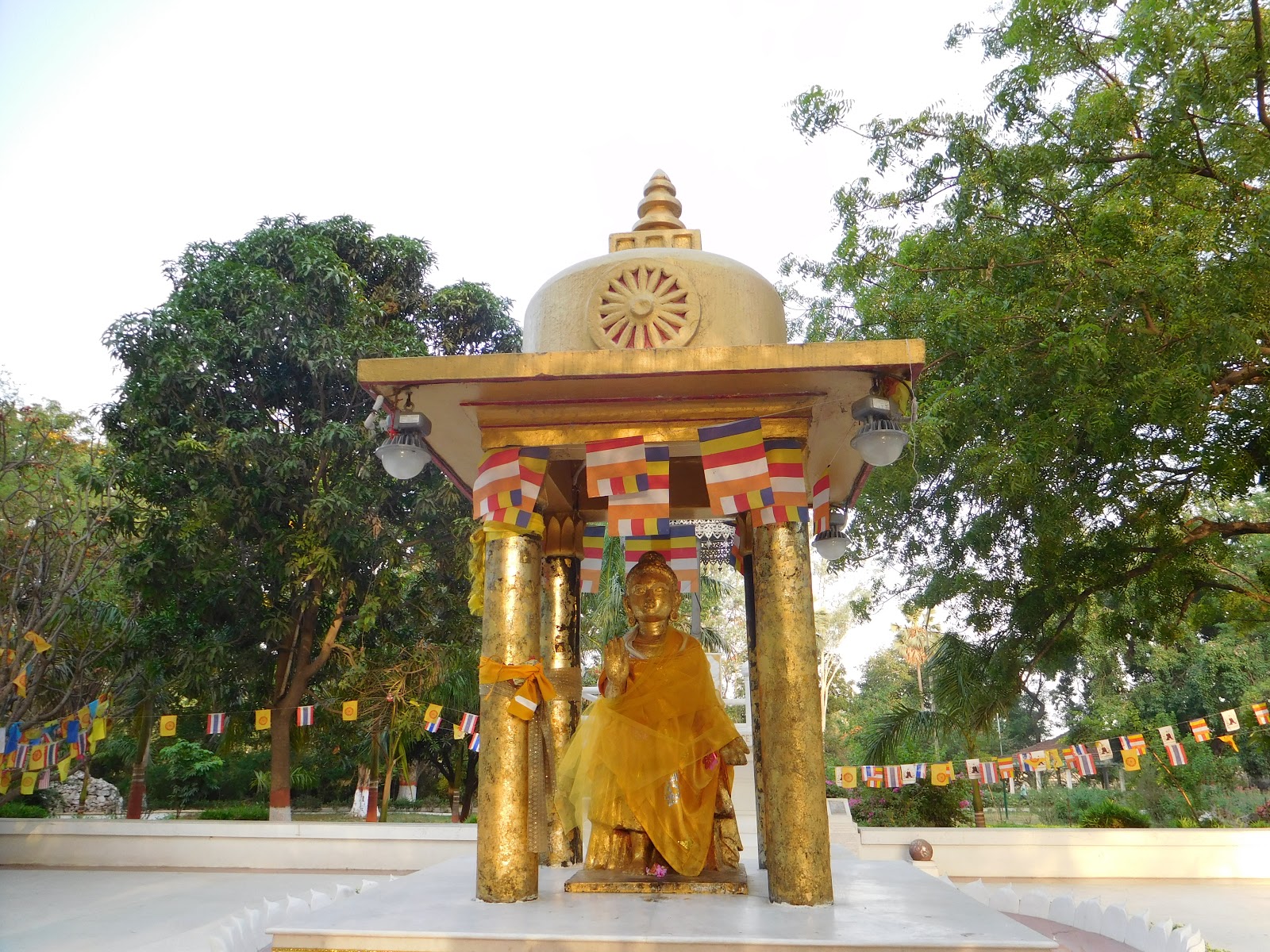
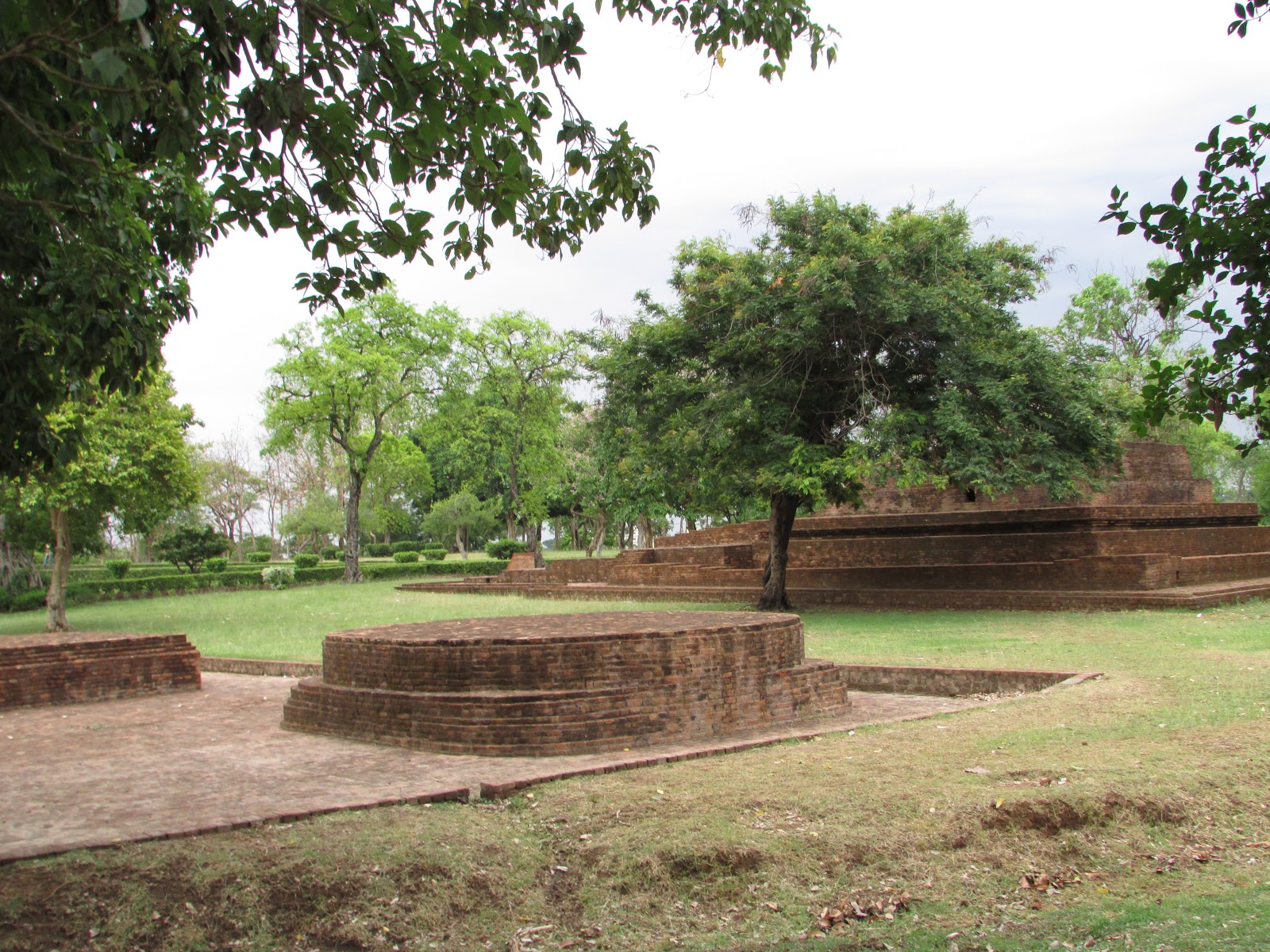
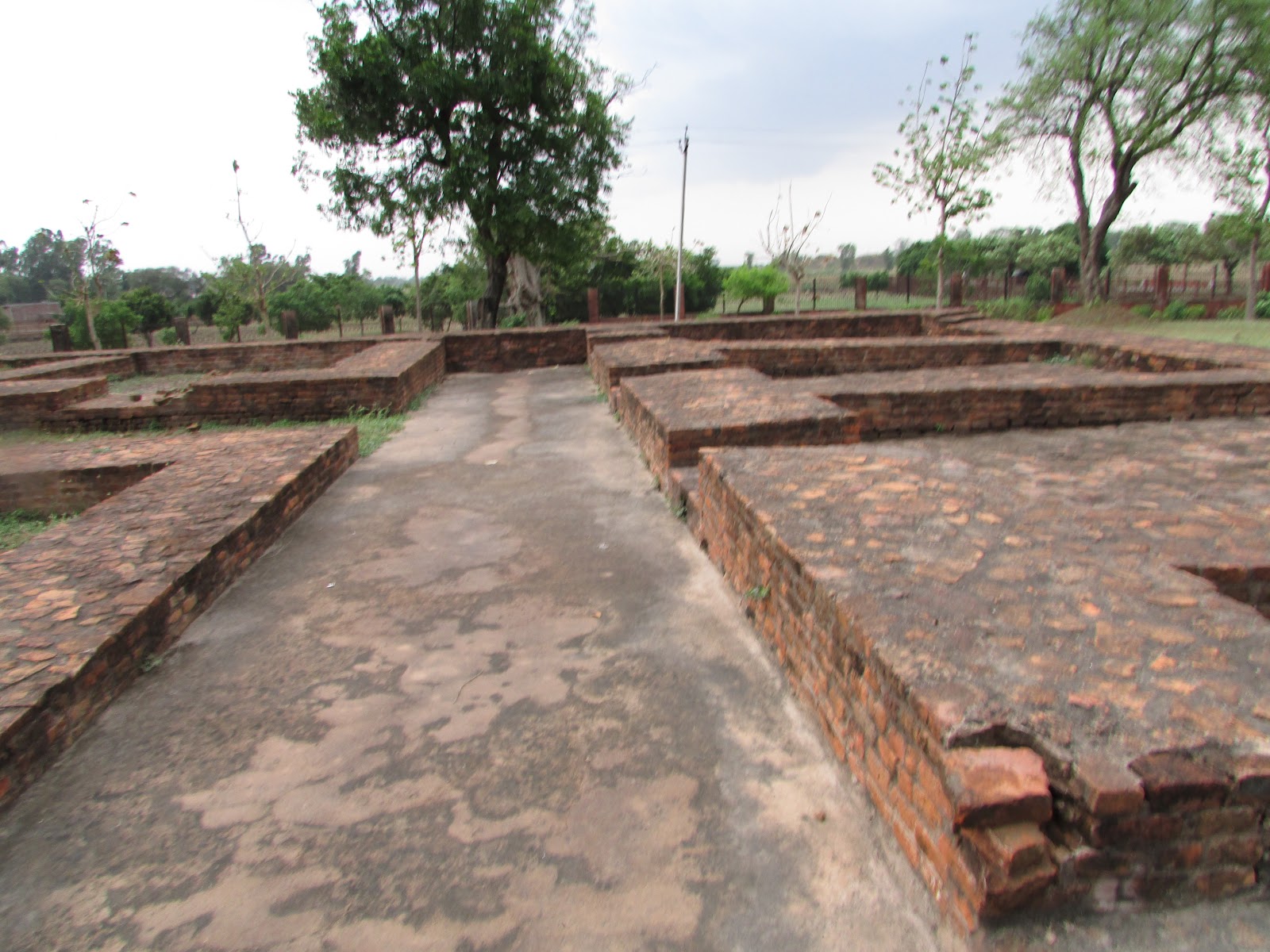
Veluvana or Venuvana was a park
near Rājagaha, [Rajgir, Girivraj is a city and notified area in Nalanda
district in the Indian state of Bihar, the ancient of Rājagaha (Pāli), Rājagṛha
(Sanskrit)], the pleasure garden of king Bimbisāra. When the Buddha first
visited Rājagaha, after his enlightenment, he stayed at the Latthivanuyyāna. King
Bimbisāra invited the Buddha to a meal at his palace, after meal, the king
asked the Buddha and he wanted to seek a place for the Buddha to live with
several issues. In which, that place was not too far and near from the town,
suitable for coming and going, easily accessible to all people, not crowed at
day, not exposed to noise and clamor at night, clean of the smell of people,
hidden from men and well fitted to seclusion. After thought about it, the king Bimbisāra
decided on Veluvana (Bamboo Grove) to give it on the Buddha and his Order. Thus,
Veluvana was the first monastery accepted by the Buddha, and the Buddha spent
the second, third, and fourth retreat rainy season at Veluvana – A Bamboo grove
which was called later as the name Veluvana monastery of the Buddha and his
Order.